

Therapy that gets PMOS.
Specialized therapy for women with Polyendocrine Metabolic Ovarian Syndrome (PMOS) — formerly Polycystic Ovary Syndrome (PCOS) — who are tired of explaining their symptoms, advocating for themselves, and carrying the emotional weight alone.
You shouldn’t have to spend your therapy appointments explaining the impact PMOS has on your life. Working with a therapist who understands PMOS means you can spend less time explaining the context and more time exploring what you actually need—whether that’s support with anxiety, low mood, self-esteem, and body image, or help through your fertility, or grief journey, or simply finding your way back to yourself.
How I can help:
Therapy can give you space to work through the parts of PMOS that don't always have a place in a medical appointment.
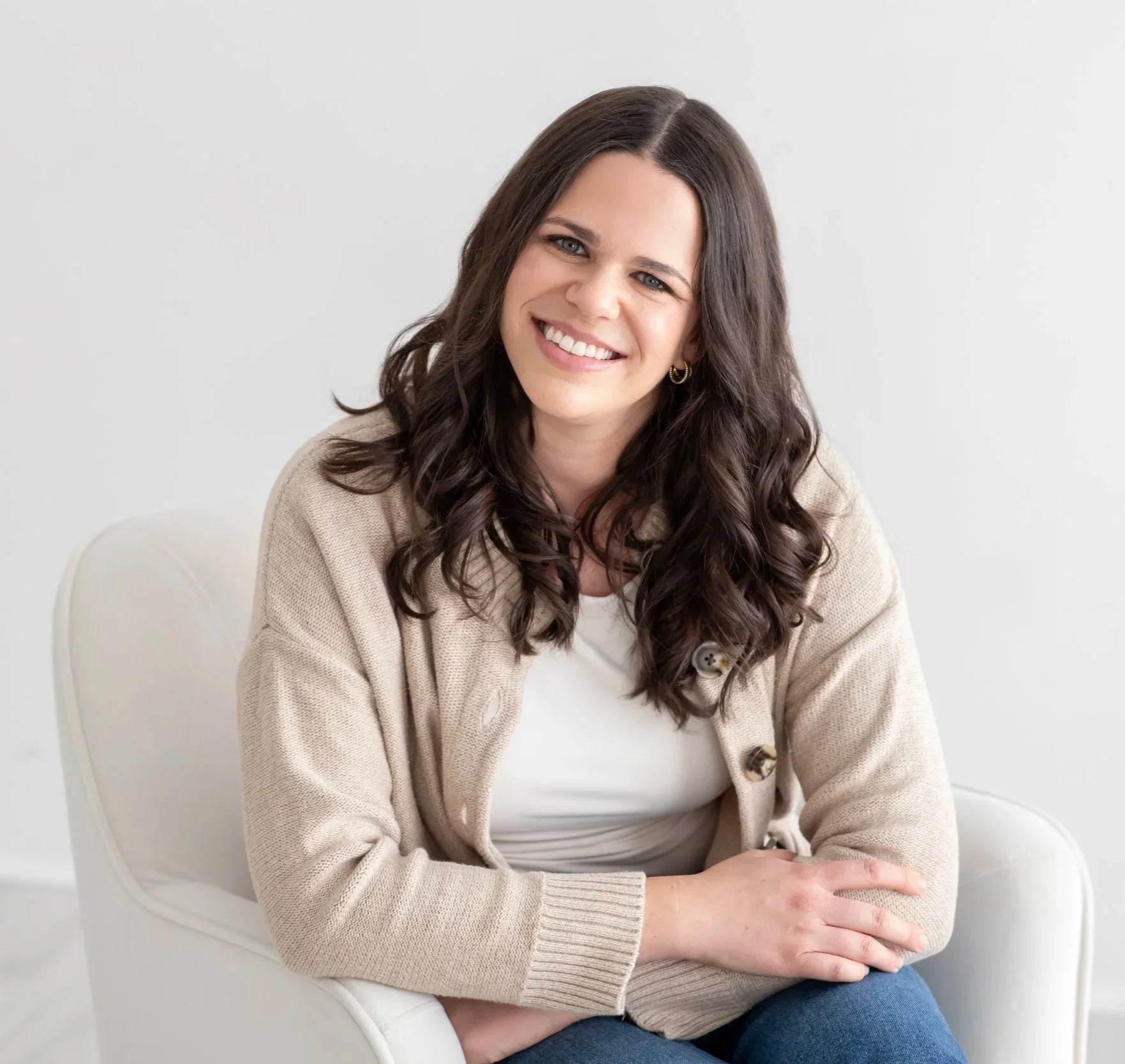
Hi, I’m Jill
I’m a licensed clinical social worker and the therapist behind Belong Psychotherapy.
I started this practice because mental health is so often left out of the PMOS conversation entirely. There’s a lot of focus on labs and symptom management—but not nearly enough on what it actually feels like to live in a body and a healthcare system that keeps letting you down. Mental health care is PMOS care, not an afterthought.
And that philosophy shapes how I work with the people who come through my door. You can bring your entire, complicated, contradictory self here. I won’t judge you, and I won’t try to take over. I’ll bring my clinical knowledge and experience; you’ll bring your lived experience. We’ll put the two together, with curiosity, honesty, and maybe a little humor, and figure things out from there.
You don’t need to become someone else in therapy. My goal is to help you feel more like yourself.
What Therapy with me looks like:
Understand
Make sense of the connection between your physical and emotional health.
Process
Have space to work through the anxiety, grief, anger, shame, and uncertainty that PMOS can bring.
Reconnect
Build a more compassionate relationship with yourself and your body—and create a life that isn't defined by your diagnosis.


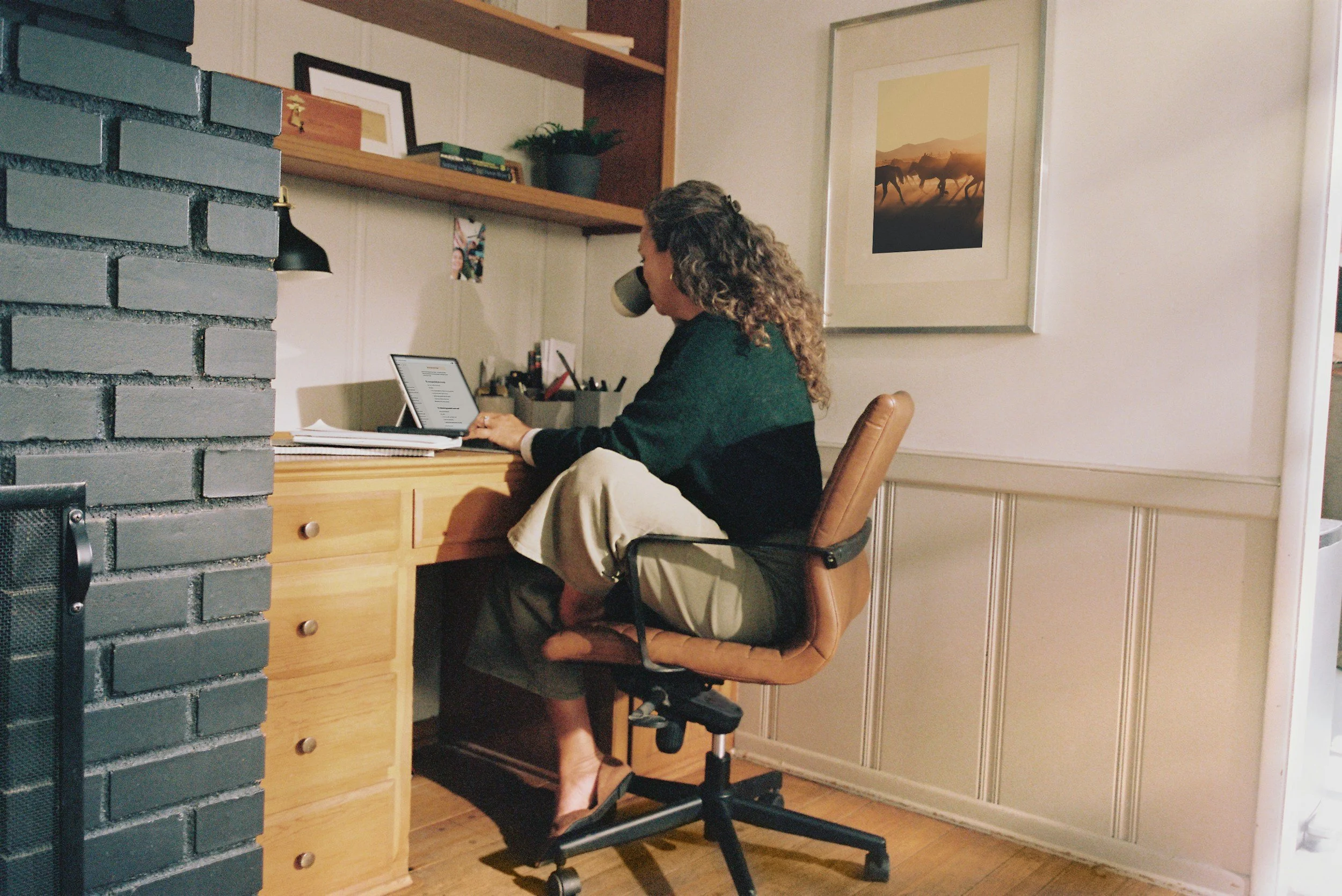
Virtual Therapy in PA & NJ
All sessions are virtual, which means you can show up from wherever you feel most comfortable — your couch, your car, your lunch break.
You do not need to have PMOS to reach out.
If you've struggled with hormonal health, body image, or the emotional toll of feeling chronically unwell, this work may still be a good fit. The experiences my clients bring — feeling dismissed by doctors, disconnected from their bodies, or stuck in cycles of self-criticism — aren't unique to one diagnosis. What matters is that you're ready to feel better.